What Is Co-Regulation? How Safe Relationships Calm Your Nervous System
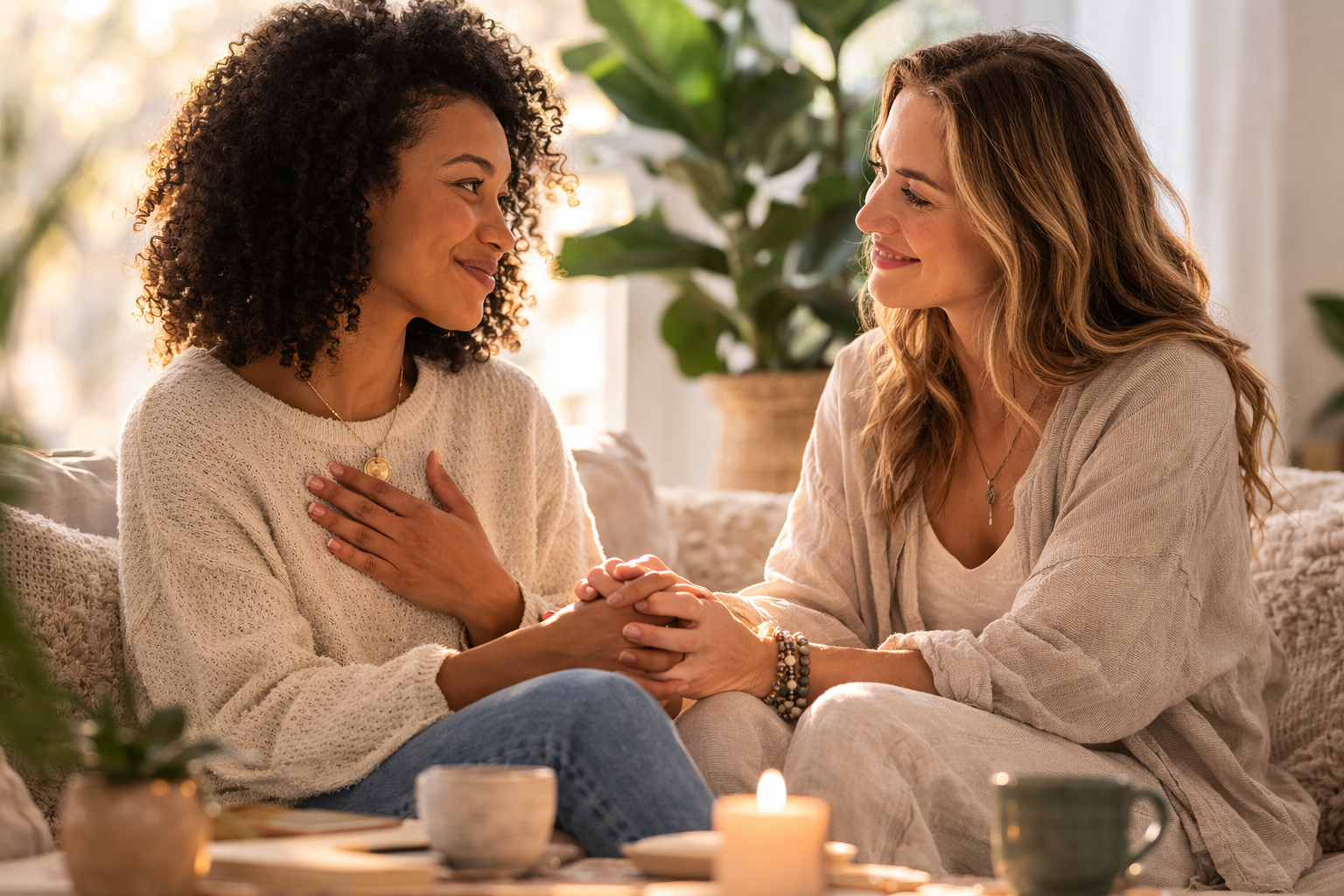
Many people believe emotional regulation is something we are supposed to do alone. We're told to calm ourselves down, manage our emotions, and figure things out independently.
But the nervous system was never designed to regulate in isolation.
Humans are wired for connection. From the moment we are born, our nervous systems develop through relationships. This is where the concept of co-regulation becomes essential.
Co-regulation is the process by which one regulated nervous system helps another nervous system settle and feel safe. It is one of the most powerful — and often overlooked — ways anxiety and stress naturally resolve.
Quick Signs Co-Regulation Is Happening
When co-regulation occurs, you might notice:
- Your breathing slows down naturally
- Your body begins to relax
- You feel more grounded and present
- Your thoughts become clearer
- Emotions feel easier to process
These shifts happen because your nervous system is receiving cues of safety from another person.
What Is Co-Regulation?
Co-regulation refers to the way nervous systems influence each other through connection. When you interact with someone who feels calm, grounded, and emotionally present, your nervous system begins to mirror that state.
This happens through subtle signals such as tone of voice, facial expressions, eye contact, body language, and rhythm of breathing.
The process is largely unconscious. Your nervous system is constantly scanning the environment for cues of safety or danger.
Why Relationships Affect Your Nervous System
Our nervous systems evolved in community. Historically, safety often depended on being part of a group. Because of this, the body pays close attention to social signals.
A calm voice, supportive presence, or empathetic conversation can signal safety to the nervous system.
On the other hand, conflict, criticism, emotional unpredictability, or disconnection can activate the stress response.
This is why certain relationships may leave you feeling calmer, while others leave you feeling anxious or drained.
Examples of Co-Regulation in Daily Life
Example 01
A calming conversation
What happens: Feeling heard helps the nervous system release tension.
Example 02
Physical presence
What happens: The nervous system registers safety through proximity and body language.
Example 03
Eye contact and tone of voice
What happens: The social engagement system activates, helping your body relax.
Example 04
Shared breathing or quiet presence
What happens: Nervous systems synchronize through rhythm and presence.
Co-Regulation vs Self-Regulation
| Co-Regulation | Self-Regulation |
|---|---|
| Occurs through connection with others | Occurs through internal tools |
| Supported by safe relationships | Supported by breath, grounding, and awareness |
| Develops early in childhood | Develops gradually over time |
Both are important. In fact, healthy self-regulation develops through repeated experiences of co-regulation.
How to Invite More Co-Regulation Into Your Life
- Spend time with people who feel emotionally safe
- Have conversations where you feel heard
- Practice slow breathing together
- Engage in shared calming activities like walking or sitting quietly
- Work with supportive therapists or practitioners
Co-regulation does not mean relying on others for emotional stability. It simply acknowledges that nervous systems regulate best in supportive connection.
The nervous system heals in relationship. Safety is not only something we create inside ourselves — it is also something we experience with others.
Want support regulating your nervous system?
Somatic breathwork sessions provide a safe space to reconnect with your body and develop tools for lasting nervous system regulation.
Book a Breathwork Session →Frequently Asked Questions
What is co-regulation in psychology?
Co-regulation is the process where one person's regulated nervous system helps another person's nervous system settle and return to a state of safety.
Is co-regulation the same as emotional dependence?
No. Co-regulation is a natural biological process that supports nervous system balance. Healthy independence and connection can coexist.
Can adults learn co-regulation?
Yes. Even if someone did not experience consistent co-regulation early in life, supportive relationships and therapeutic work can help rebuild these experiences.